

Top Causes of Pedestrian Accidents in Delaware (And How to Avoid Them)
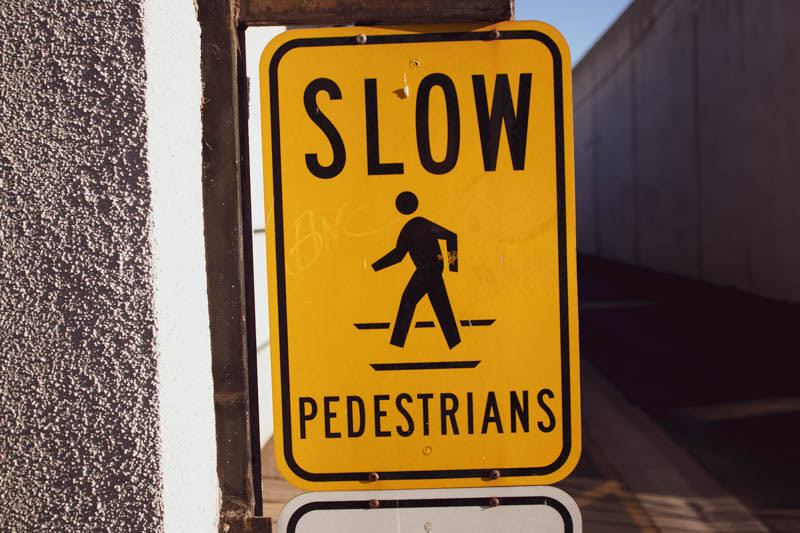
Pedestrian accidents continue to rise across Delaware, especially in busy areas such as Wilmington, Newark, and Dover. Each year, dozens of pedestrians suffer life-changing injuries after being struck by a motor vehicle. Many collisions occur in familiar places, crosswalks, intersections, parking lots, and neighborhood streets. While some accidents happen because drivers fail to pay attention, others involve poor visibility, unsafe road design, or pedestrian behaviors that unintentionally place people in harm’s way.
Below is a detailed look at the most common causes of pedestrian accidents in Delaware, followed by practical safety tips and a clear explanation of legal options for those who have been hit by a car while walking in Wilmington or elsewhere in the state.
Understanding why these crashes happen is one of the most effective ways to prevent them. When pedestrians and drivers both recognize the leading risk factors, they can take simple steps to reduce the chances of a tragic collision. For victims who have already been injured, knowing the cause can also play an important role in determining responsibility and pursuing compensation through a pedestrian injury lawsuit in Delaware.
Distracted Driving: A Leading Cause of Pedestrian Crashes in Delaware
Distracted driving remains one of the top contributors to pedestrian accidents throughout Delaware. Even a few seconds of inattention can cause a driver to drift out of their lane, miss a crosswalk signal, or fail to notice someone stepping into the roadway. In busy traffic corridors like Market Street in Wilmington or Route 13 near Dover, distraction can quickly turn dangerous.
The most common driver distractions include texting, looking at GPS directions, adjusting the radio, reaching for objects in the vehicle, and engaging in conversations with passengers. Because pedestrians are often harder to see than vehicles, they are more likely to suffer harm when a distracted driver fails to react.
Victims injured by a distracted driver often have strong grounds for a pedestrian injury lawsuit in Delaware. Phones leave digital footprints, and witness statements, surveillance footage, and vehicle data can support claims of inattention. Establishing distraction can be critical to proving negligence, especially under Delaware’s comparative negligence rules, where insurance companies may attempt to shift blame to the pedestrian.
Failure to Yield at Crosswalks and Intersections
Another major cause of Delaware pedestrian accidents is drivers who fail to yield the right of way. State law requires motorists to stop for pedestrians crossing within a marked crosswalk and to remain stopped until the pedestrian reaches the opposite side of the roadway. Unfortunately, many collisions occur because drivers roll through stop signs, rush through yellow lights, or make quick right turns without checking for pedestrians.
Wilmington sees a high number of these incidents, particularly in areas where foot traffic and vehicle traffic intersect closely, such as near Rodney Square, on Delaware Avenue, and along Concord Pike. Pedestrians frequently report that drivers accelerate through intersections instead of slowing down, leaving them little time to react.
Failure-to-yield crashes often result in severe injuries because pedestrians are unprotected. When a vehicle is moving quickly, even a “minor” impact can cause broken bones, spinal injuries, or traumatic brain injuries. These cases typically involve clear liability, and injured pedestrians may be eligible for full compensation for medical bills, lost income, and pain and suffering.
Speeding and Aggressive Driving
Speeding remains one of the most dangerous behaviors on Delaware roads. A speeding driver has less time to perceive, react, and stop, making it far more likely that they will hit someone crossing the street or walking along the roadway. High-speed collisions also cause more extensive trauma, increasing the likelihood of catastrophic injuries or fatalities.
Aggressive driving, including tailgating, swerving through lanes, ignoring pedestrian-controlled signals, and attempting to overtake other vehicles in tight spaces, poses similar risks. In many pedestrian crashes in Delaware, investigators find that drivers were in a hurry, frustrated with traffic, or attempting to beat a red light.
Delaware law takes these violations seriously. When speeding or aggressive driving contributes to a pedestrian crash, victims can typically pursue damages from the at-fault driver through an insurance claim or civil lawsuit. Evidence such as skid marks, witness accounts, and traffic-camera footage often helps establish driver negligence.
Poor Lighting, Low Visibility, and Hazardous Road Conditions
Delaware’s pedestrian accidents peak in dark or dimly lit conditions, especially in winter when visibility naturally decreases. Many roadways, especially outside urban areas, lack adequate street lighting, making it difficult for drivers to see someone walking until it is too late.
Low visibility conditions include nighttime walking, fog, glare from headlights, and areas with poor infrastructure. Pedestrians dressed in dark clothing are particularly vulnerable because their visibility is dramatically reduced at night.
In some cases, poorly designed intersections, missing signage, obstructed crosswalks, or malfunctioning signals also play a role. When unsafe road conditions or inadequate lighting contribute to a crash, victims may have claims not only against the driver but also against government entities or contractors responsible for maintaining the roadway.
Impaired Driving: Alcohol and Drug Use Behind the Wheel
Impaired driving continues to be a serious problem in Delaware, and pedestrians pay the price when drivers operate under the influence of alcohol or drugs. Impairment slows reaction time, reduces awareness, and increases the likelihood of veering into crosswalks, shoulders, or sidewalks.
Pedestrians hit by an impaired driver often suffer severe injuries because intoxicated drivers tend to be traveling at higher speeds or fail to brake before impact. In these cases, victims may be entitled to additional damages, including punitive damages, depending on the circumstances.
Pedestrian Behavior That Increases Risk
Although drivers are responsible for most pedestrian collisions, certain pedestrian actions can increase the likelihood of danger. These behaviors include crossing outside designated crosswalks, walking while distracted by a phone, stepping into traffic suddenly, or traveling along the roadway in dark clothing at night.
Under Delaware’s comparative negligence laws, insurance companies may attempt to shift blame to the pedestrian to reduce compensation. However, pedestrians often still receive significant damages even if they are partially at fault, depending on the percentage of responsibility assigned.
How Pedestrians Can Reduce Their Risk
Preventing pedestrian accidents requires awareness from both drivers and walkers. Pedestrians can reduce their risk by following simple safety practices:
Cross only at designated crosswalks or intersections, making sure approaching drivers can see you. Wear bright or reflective clothing at night to improve visibility. Always avoid distractions and stay alert near roadways, especially when traffic is heavy or visibility is low. Make eye contact with drivers before stepping into a crosswalk to ensure they intend to stop. Walk facing traffic when no sidewalks are available, giving you a clearer view of approaching vehicles. These small actions can significantly reduce the chances of being struck by a car.
Legal Options for Pedestrians Injured in Delaware
Pedestrians injured in accidents have important legal rights under Delaware law. A pedestrian accident lawyer in Delaware can help victims seek compensation for medical bills, future treatment, lost wages, diminished earning capacity, pain and suffering, and other damages. Most claims begin with an insurance demand, but serious cases may require filing a lawsuit to secure fair compensation.
If you were injured in Wilmington or other Delaware cities, you should never speak with insurance adjusters before obtaining legal advice. Adjusters often attempt to limit payouts by shifting blame, minimizing injuries, or pressuring victims to accept early settlements. An attorney protects the claim, gathers evidence, and negotiates from a position of strength.
In severe cases, such as those involving speeding, impairment, or blatant disregard for pedestrian safety, you may also pursue enhanced damages. A lawyer will evaluate all your possible sources of recovery, including driver insurance, excess policies, government liability for unsafe conditions, or third parties who contributed to the dangerous situation.
Speak With Edelstein Martin & Nelson Today
If you or a loved one was hit by a car while walking in Wilmington or anywhere in Delaware, you do not have to navigate the aftermath alone. Understanding the common causes of pedestrian crashes helps identify who may be responsible and what steps you can take next. Our legal team at Edelstein, Martin & Nelson is committed to protecting injured pedestrians and ensuring they receive the compensation they deserve.
For guidance, answers, and strong legal support, contact Edelstein Martin & Nelson in Wilmington at (302) 504-4815. Our skilled Delaware personal injury lawyer will explain your options, evaluate your case, and help you pursue justice after a devastating crash.